I own innovation and product strategy across five verticals at myZoi: cross-border transfers, earned wage access, direct deposit, the corporate portal and onboarding flow, and card activation. I work across the portfolio rather than inside a single product silo, and I own the MoneyTips platform, its vision and its execution.
Every one of these products serves the same mission, which is financial access for a population most fintechs don’t build for.
Customers were not coming back after their first cross-border transfer. Nothing in the funnel explained it, so I went into the transaction data with AI-assisted analysis to find out where they were going.
What came back was not a usability problem. Customers were doing their own arithmetic, combining the transfer fee and the FX rate into a single number in their heads, and getting it wrong. They consistently underestimated what the recipient would actually receive. The product was doing what it promised. People simply could not tell, so they did not come back.
I recommended a rewards programme built directly on that insight, designed to make the real value of a transfer legible at the moment of decision rather than after the fact.
Penetration grew from 46% to 62% as the programme was refined.
Point-of-sale penetration sits above 85% of salary processed, and has held there.
Mature products drift when nobody is watching them. This one has not, because adoption analysis runs continuously and interventions are targeted at where the drop-off actually starts. Defending a strong number is less visible work than launching something, and it is the work that keeps a product alive.
I owned design and delivery of the corporate portal, from requirement gathering through defining business requirements, designing wireframes, design, and supporting development.
It is the B2B2C platform corporate clients use to onboard, disburse salaries, and process both Wage Protection System and non-WPS payroll for their blue-collar migrant worker employees, spanning onboarding, verification, disbursement and account management.
Payroll here is regulated, high-stakes and unforgiving. The design problem is turning that into something an employer can operate transparently and an employee can trust.

Over 550 interviews with blue-collar migrant workers, run and synthesised to find friction across the money-movement journey.
The point of that volume is not description. It is that the findings feed upstream into product decisions before anything is committed to, rather than explaining problems after they have shipped.
I use AI daily for customer data analysis, research synthesis and prototyping. The cross-border insight above came out of exactly that, and would have been slow to find any other way.
I also set the practice for how the wider organisation adopts it responsibly, because a tool this useful spreads whether or not anyone has thought about how it should be used.
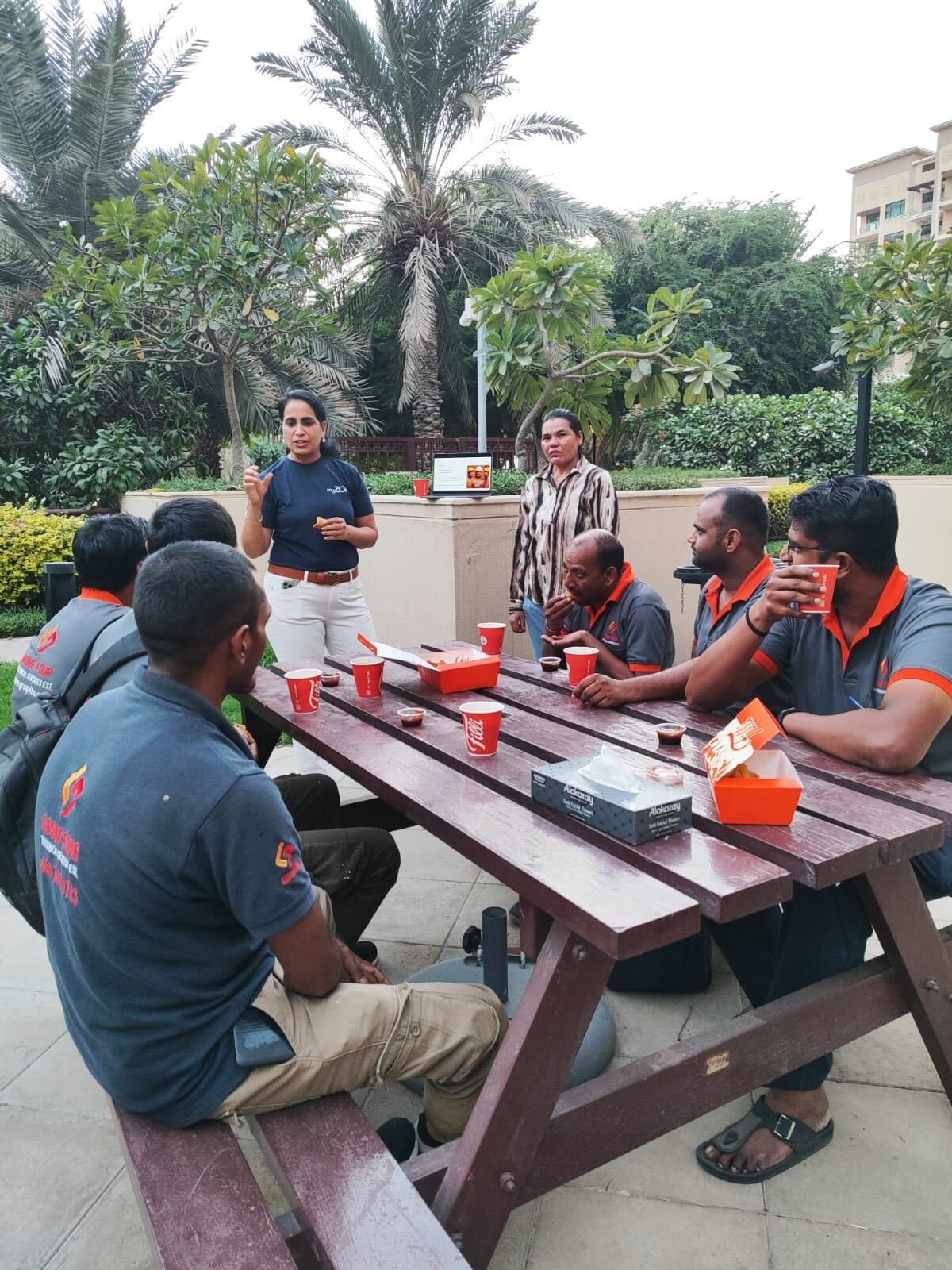
The mission is not a line in a deck here, it is the operating constraint. I run financial literacy sessions with blue-collar workers directly, in the places they actually spend their time, because a product for people who have been outside formal finance has to be explainable by the people using it.
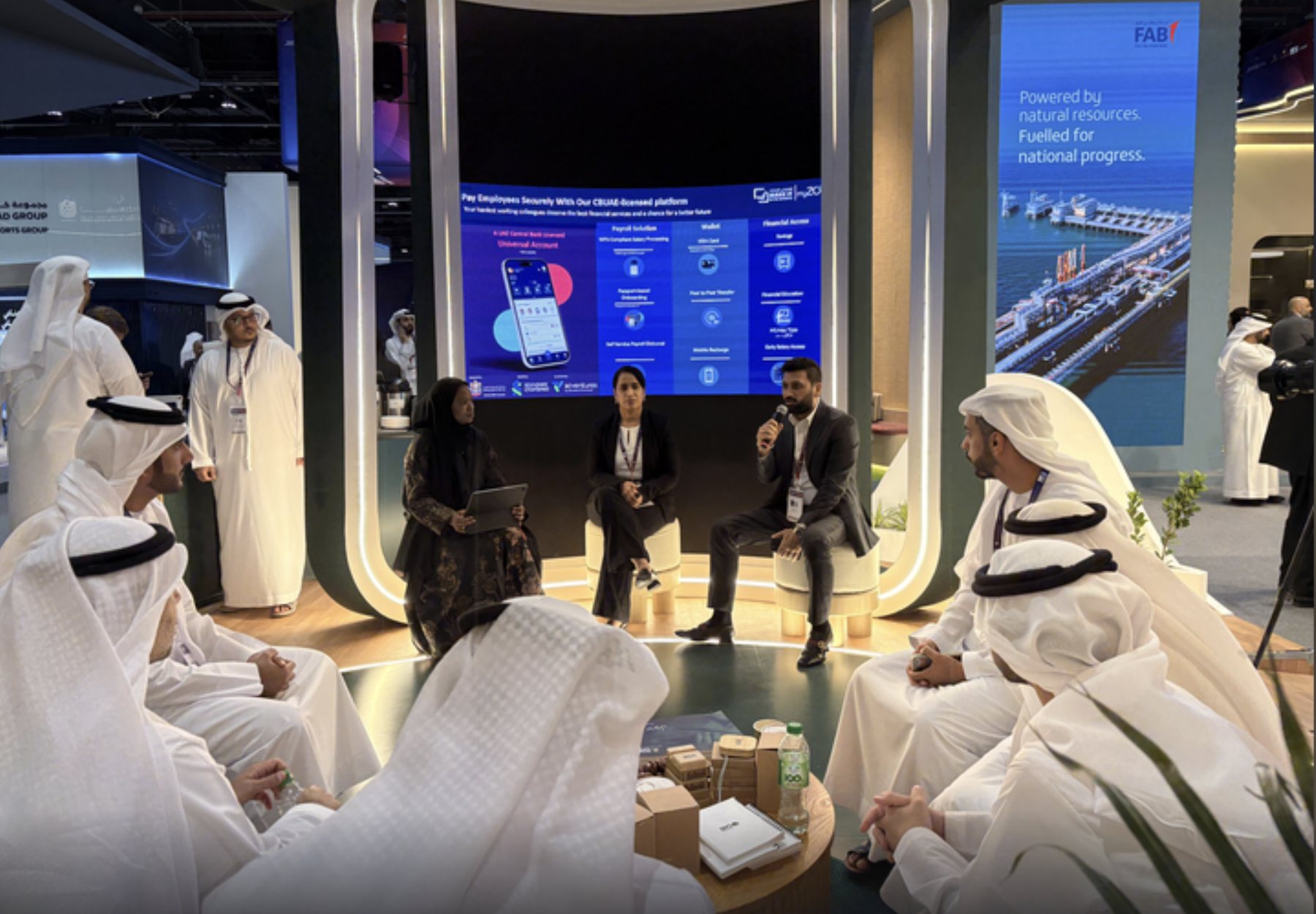
That work also builds the commercial side. I built an ESG strategy pitch into a partnership with Dubai Islamic Bank, who invited us to a fireside chat at Make it in the Emirates in Abu Dhabi this year to strengthen it further.
Turning a mission argument into a signed partnership and a revenue pipeline is a different skill from making the argument well, and it is the one that keeps inclusion work funded.


I am a Central Bank of the UAE Certified Financial Inclusion Champion, and insights from my research on financial inclusion form part of the CBUAE national agenda.